

Why Your London Property Is Not Selling in 2026

Eight reasons a London sale stalls, how to tell which one applies to you, and what to fix before you drop the price

IN BRIEF
Why is my London property not selling? Most London properties that stall in 2026 are not stalling because of one big flaw. The market has slowed, buyers have more choice than at any point in sixteen years, and the property is not giving them a reason to choose it over the one three doors down. The cause is nearly always presentation or price. Working out which is the whole job.
I have this conversation on almost every first phone call. Someone has been on the market for two or three months. The agent is suggesting a reduction. They want to know if there is anything else to try first.
This article is the honest version of that conversation. It includes the cases where staging will not help, because I would rather you know that before you spend money with me.
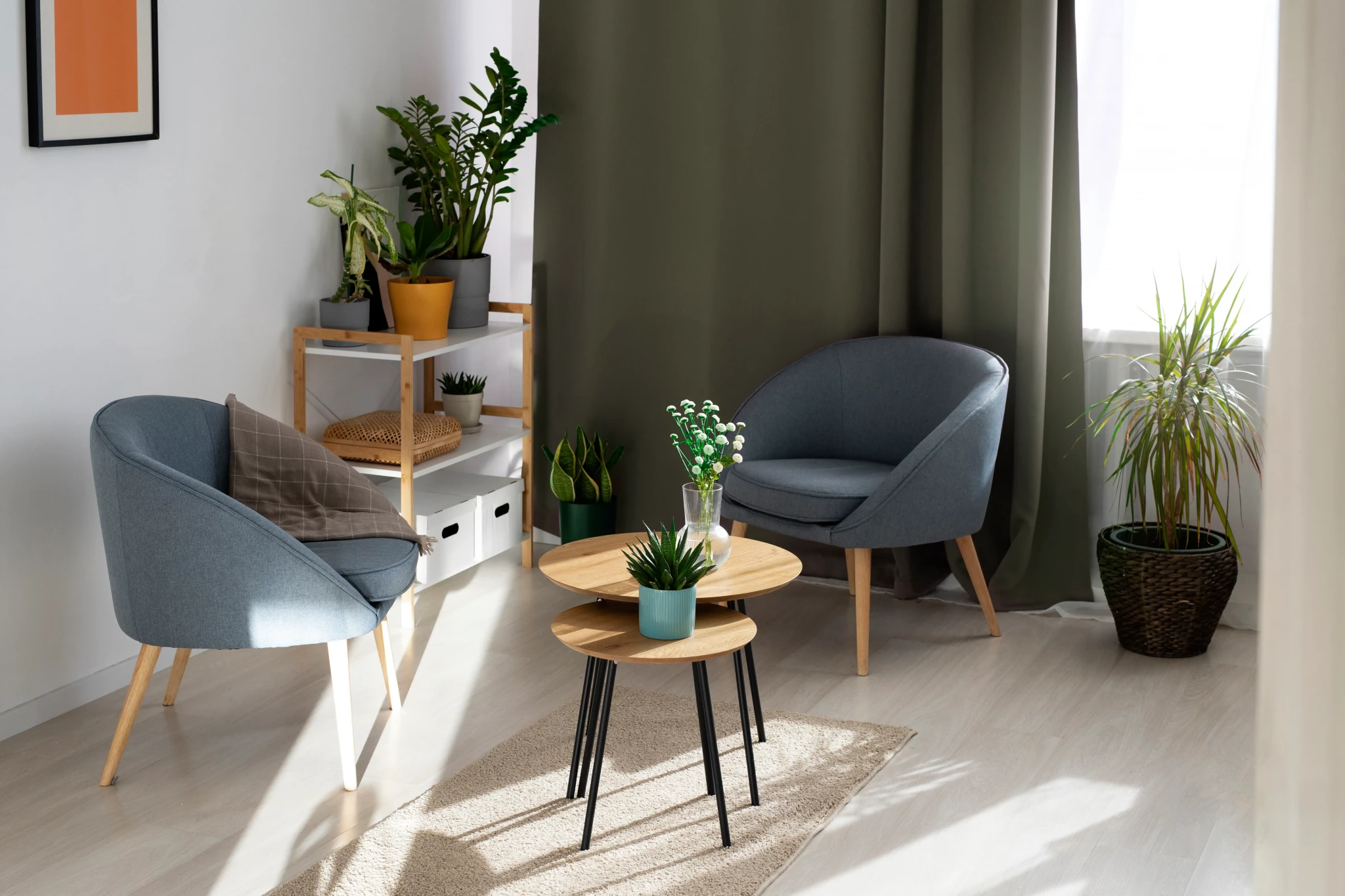
Clients reach out to us, after months of their property being on the market. We recently worked with one client, where their flat had been on the market for 9 months, empty. We staged the property, a 2 bed flat in North London, the client then changed agent, which took new photo’s - of a beautifully staged flat! - and it went under offer at the asking price within three weeks. The prime window to get the most traction on Right Move and other portals is in the first two weeks. Listing a property empty to “see how it goes” is not a strategy that works.
What market are you actually selling into?
London is a buyer's market in 2026, and most sellers are still pricing and presenting as if it were not. At the time of writing, the average London property takes 48 days to find a buyer. In Westminster it is 63 days and in Tower Hamlets it is 60. Twenty three of the 32 boroughs are selling more slowly than they were a year ago.
The number that matters most is this one: around 30% of homes listed since the second quarter have not sold and have not had a price reduction either. They are sitting there.
Stock is at a sixteen year high. Prices are down 3.7% year on year. So a buyer looking at your listing has more alternatives than they have had in their adult life, and is under no pressure to move quickly.
That changes what "not selling" means. Six weeks with no offer in 2021 was a problem. Six weeks in 2026 is roughly the London average. The question is not whether you have been on the market a long time. It is whether anything about your listing is actively costing you the buyers who do exist.
What are the eight reasons a London property stalls?
Almost every stalled sale I see comes down to one of eight causes, and they fall into two groups: the ones that stop people booking a viewing, and the ones that stop viewers making an offer.
1. It is priced for the market of two years ago
An asking price set against what a neighbour achieved in 2024 is the single most common reason a property gets no viewings. Buyers and their agents compare you against what is available today, not what sold before rates changed. If you are 10% or more above comparable current listings, presentation will not close that gap. Nothing I do will either, and I will tell you so.
2. The photographs are working against you
Photography is the first viewing, and in a slow market it is often the only one. Dark rooms, wide angle distortion, a cluttered kitchen counter or an unmade bed will lose you the click before anyone has read the description. I see excellent properties with photographs that make them look smaller and colder than they are. That is not a photographer problem so much as a preparation problem. The room was not ready when the camera arrived.
3. The rooms are empty
An empty room reads as smaller than a furnished one, and buyers cannot judge whether their bed or sofa will fit. This is counter-intuitive and it is consistent. Vacant properties also photograph badly: hard light, echoing spaces, nothing for the eye to land on. In a market where buyers scroll past twenty listings in a sitting, empty rooms are the ones they scroll past.
4. There is too much of you in it
The opposite problem is just as common. A family home full of a family's life asks the buyer to imagine it without you, and most people cannot do that in a fifteen minute viewing. Personal photographs, a crowded hallway, furniture sized for how you live rather than how the room is best shown. None of it is wrong for living in. All of it costs you at sale.
We stage a lot of flats in London, there is always a smaller room, “the box” room. Now, in a 2bed flat especially, it is very important to demonstrate that a bed is able to fit, where possible. If a First Time Buyer is buying the flat or even a couple, the likelihood of using the 2nd bedroom is less than an office, but it is imperative to show the buyer “the art of the possible.” Without a bed in the 2nd bedroom, the property can look like a “glorified one bed.” Meaning buyers will be inclined to offer less on it when they are comparing it to other two bed flats in the area.
Staging not only shows buyers how they will live in a space, answering the questions “Where will my bed go?” “Will my sofa fit?” but our job is to have buyers viewing the property and falling in love with it. Empty, there is nothing to fall in love with (well, less at least.) With beautifully curated furniture, soft furnishings, artwork and decor buyers are now FEELING. Buyers do the thinking before the walk into the property - is the location right, is it the right price, is it the right size? As soon as they walk over that threshold we want buyers to start feeling. Positive psychology, if buyers are walking around the property saying “I love the sofa, I love the art” they are falling in love with the property too.
90% of people / buyers can not visualise an empty space. Similarly, empty spaces appear smaller - which sounds counter intuitive
5. The first thirty seconds let it down
Buyers decide how they feel about a property before they reach the living room. The approach, the front door, the hallway and the smell on entry set the mood for everything that follows. A tired front door and a hall full of coats and shoes are cheap to fix and expensive to ignore.
6. There is a specific problem the price does not acknowledge
Some properties have an issue every viewer notices: a short lease, a poor EPC rating, no outside space, an awkward layout, a busy road. Buyers will accept these if the price reflects them. They will not accept them if the listing is priced as though they do not exist. Staging can soften an awkward layout by showing how the rooms actually work. It cannot make a 72 year lease disappear.
7. The listing has gone stale
Once a property has been visible for eight to ten weeks without a change, portals and buyers stop paying attention to it. Viewers assume something is wrong. Agents stop pushing it. This is not a reason in itself so much as a symptom of one of the others having gone unaddressed for too long. The remedy is to fix the underlying issue and relaunch, not to keep the same listing live and hope.
8. You are marketing to the wrong buyer
A two bedroom flat in a block with six other two bedroom flats for sale is competing on a different basis than a period house on a quiet street. A family home marketed through August, when families are away, or a pied-a-terre presented like a family home, will draw the wrong viewers or none at all. Knowing who your buyer is changes how the property should be shown.
How do you tell which one applies to you?
Two numbers tell you where the problem sits: how many viewings you are getting, and how many of those viewings turn into offers. Ask your agent for both. They have them.
Very few or no viewings. The problem is online. Buyers are seeing your listing and not booking. That points to price (reason 1), photography (reason 2) or an unacknowledged issue that is visible in the listing (reason 6). Presentation in person is irrelevant until people are coming through the door.
Viewings but no offers. The listing is doing its job and the property is not. Buyers like it enough to visit and then something in the room changes their mind. That is nearly always presentation (reasons 3, 4 and 5) or a specific problem they only notice in person (reason 6). This is the situation where staging earns its fee.
Offers that fall through. If you are getting offers and losing them at survey or in conveyancing, the marketing is fine. The problem is legal, structural or in the chain, and it is not one I can help with.
Everything was fine and then stopped. If viewings were healthy for the first month and have since dried up with no offer, you have gone stale (reason 7). Fix whatever put viewers off and relaunch with new photographs.
What should you change before you drop the price?
A price reduction should be the last lever you pull, not the first, because it is the only one you cannot pull back. Work through these in order.
First, get the two numbers above. If viewings are healthy and offers are not coming, do not reduce yet. A reduction on a property that people already want to see is money given away.
Second, fix the property before you fix the photographs. Declutter properly, not tidily. Clear the hallway. Take the personal things down. If rooms are empty, furnish them, even temporarily. If rooms are full, take a third of it out. Then rephotograph. New photographs on a prepared property are the cheapest relaunch there is.
Third, deal with the visible issue honestly. If there is a short lease or a poor EPC, get the facts and the costs into the listing so buyers price it in rather than walk away from it.
Fourth, relaunch rather than adjust. Portals treat a relisted property with new photographs and a new description as new. A quiet tweak to an old listing changes nothing.
Fifth, and only then, talk about price. If you have done all of the above and viewers are still not offering, the market is telling you something about the number.
When does staging help, and when will it not?
Staging helps when the property is priced correctly and buyers are visiting but not committing. It does not help when the price is wrong, and I will not stage a property I think is overpriced by more than about 10%, because you would be paying me to lose more slowly.
Staging works well when:
- The property is empty, and buyers cannot read the size or use of the rooms.
- The property is occupied and the furniture is fighting the space.
- Viewings are steady but nobody offers, and the agent's feedback is vague ("didn't feel right", "couldn't see themselves there").
- The layout is unusual and needs showing rather than describing.
- You are relaunching and want new photographs that look like a different property.
Staging will not fix:
- A price that is clearly above comparable current listings.
- A lease under 80 years, a failed survey or a structural defect.
- A location problem: noise, a flight path, a difficult neighbour.
- A seller who is not willing to declutter. I can bring furniture in, but I cannot work around a house that is still full.
East Dulwich, 6 months empty, staged it, changed agents, went UO in the first week, £10k above new asking (new photo’s, new agent and a break from the portals)
The final word
What I can promise is a straight answer on the first call. If I think the problem is price, I will say so and you will not owe me anything. If I think it is presentation, I will tell you what it would cost and what I would change, and you can see how our prices compare across the London market before you decide.
Frequently asked questions
How long is too long for a house to be on the market in London?
In 2026 the London average is around 48 days from listing to a buyer being found, so six to seven weeks without an offer is normal rather than alarming. The point to act is around eight to ten weeks, when a listing starts to look stale to buyers and to portals. Act on the cause before that point rather than after.
Should I reduce the price or restage first?
Restage first if you are getting viewings and no offers, because that pattern points to presentation rather than price. Reduce first if you are getting no viewings at all and your asking price is clearly above comparable current listings. Ask your agent for viewing and offer numbers before deciding either way.
Does home staging work for flats as well as houses?
Yes, and it often matters more for flats, because a two bedroom flat is usually competing with several near identical flats in the same area or the same building. Presentation is one of the few ways to make it the one buyers remember.
How much does home staging cost in London?
Our published prices start from £1,999 for a one bedroom property, and we quote within 24 hours of receiving a floor plan and a few photographs. The full price list, and how it compares with other London staging companies, is on our pricing page.
Can I stage a property I am still living in?
Yes. This is part staging, where we work with the furniture you already have, remove what is working against the space and add what is missing. It suits families who cannot move out before the sale.
Not sure if it is price or presentation?
Send me the listing link, or a floor plan and a few photographs, and I will tell you which it is within 24 hours. If it is price, you will hear that from me for free. If it is presentation, you will get a fixed quote and a list of what I would change.
Sonja Townsend, Director. T: +44 7572 880 266. sonja@londonpropertystaging.com
This article reflects the author's professional experience and the London market at the time of writing. It is general guidance, not advice on a specific property. Market figures are from the sources listed below and will be updated as new data is published.
Sources used
- [London days-to-sell, borough figures, unsold stock, stock levels and price change: publisher, report title, date. Taken from the Fabled Labs LPS research deck, August 2026. Add the original source before publishing.]
- London Property Staging pricing page, londonpropertystaging.com/pricing, September 2026.
- [Add any Rightmove, Zoopla, Land Registry or ONS source used for the market section.]